The Role of Light in F&B Design: Drama, Playfulness and Intrigue
Great lighting is the catalyst for a memorable F&B experience. Whether there to enhance the visual appeal of a beautifully plated dish or curated to create an unforgettable atmosphere, light should shape the ambience and leave a lasting impression.
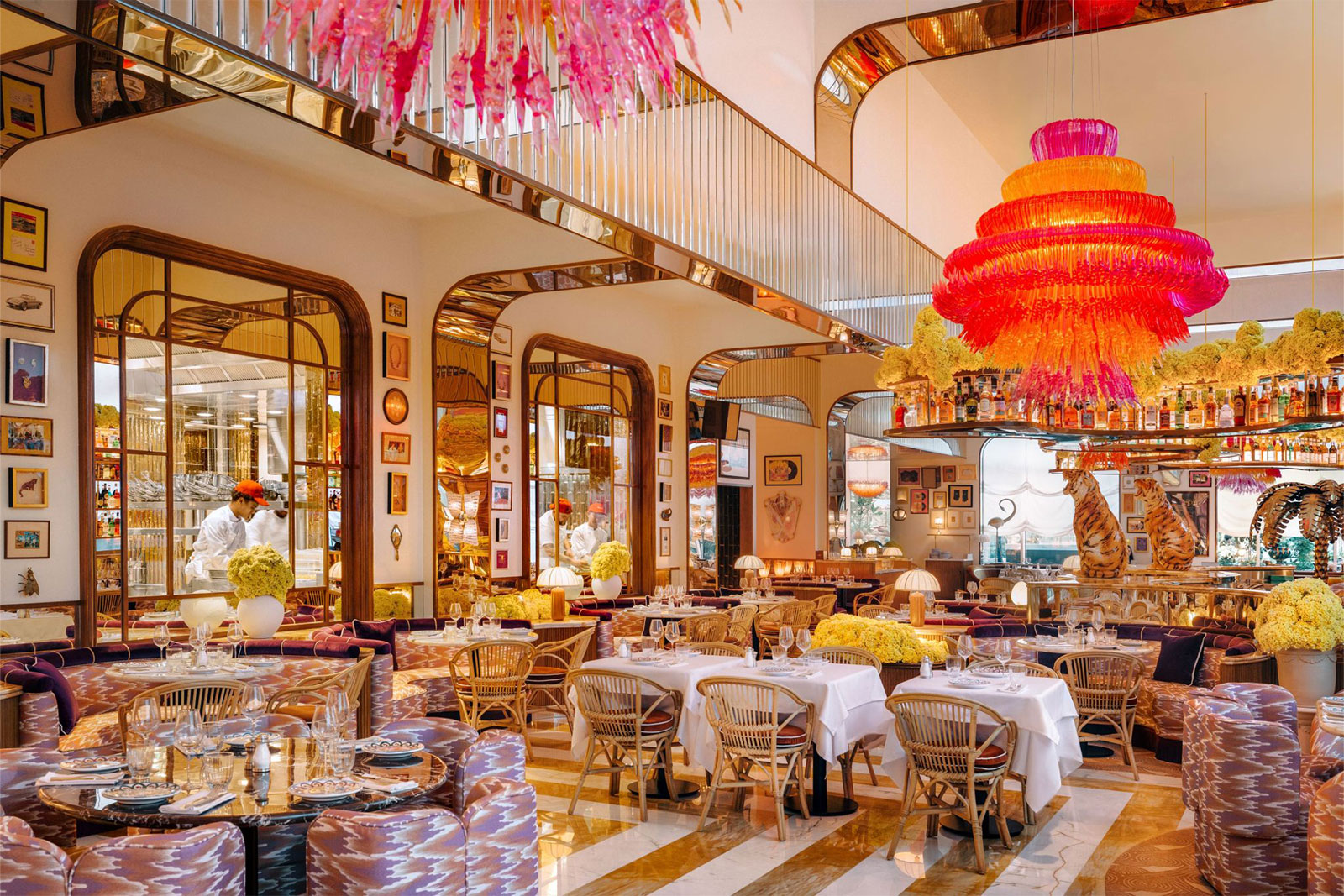
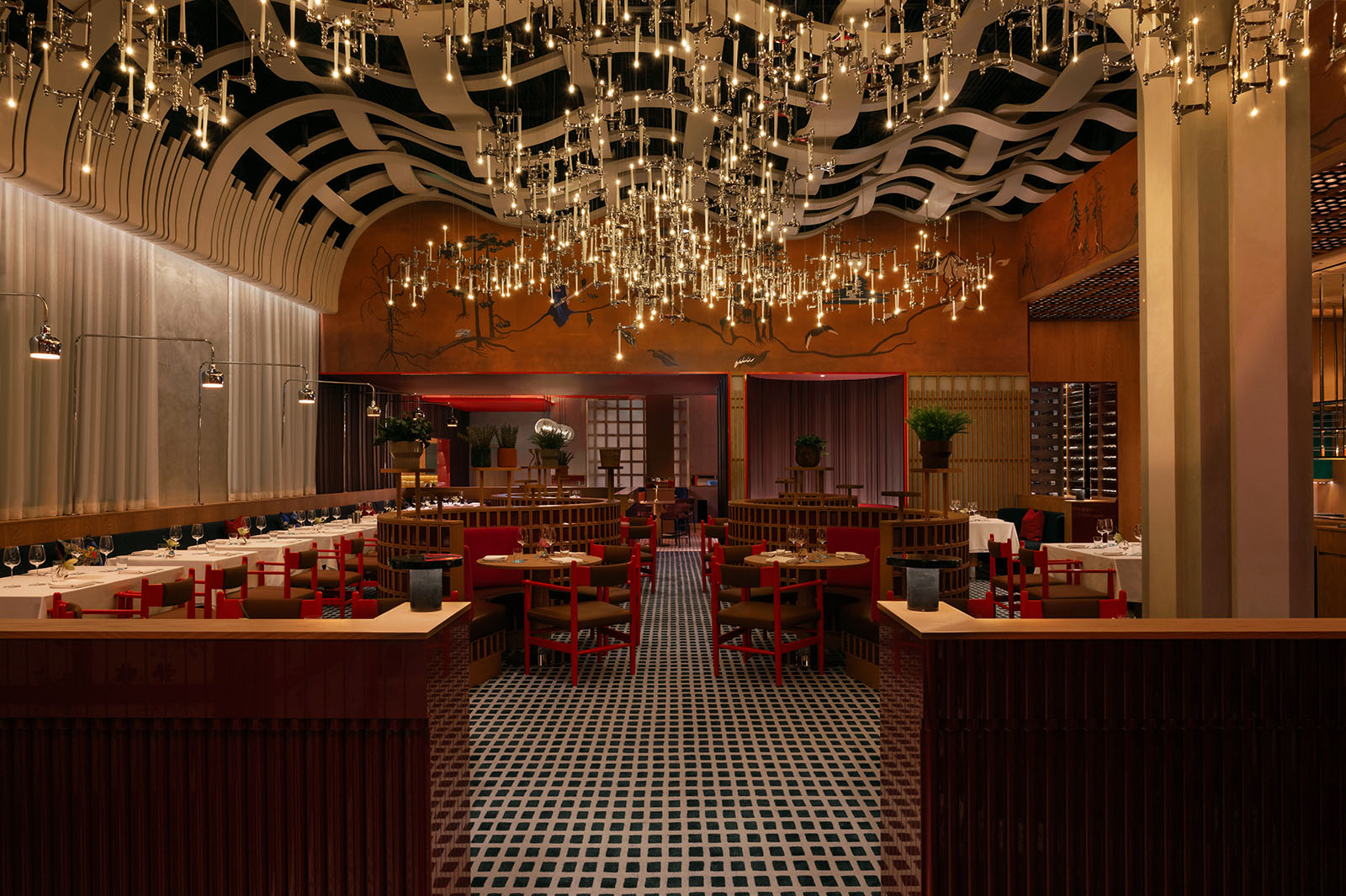
Decorative fittings often make a bid to steal the limelight. Grand design gestures such as statement chandeliers create wow-factor moments. Smaller luminaires such as table lamps and wall sconces add cosiness and intimacy. These luminaires play their part, yet they are not the sole reason why a guest lingers for another cocktail or chooses to order that dessert they intended to skip.
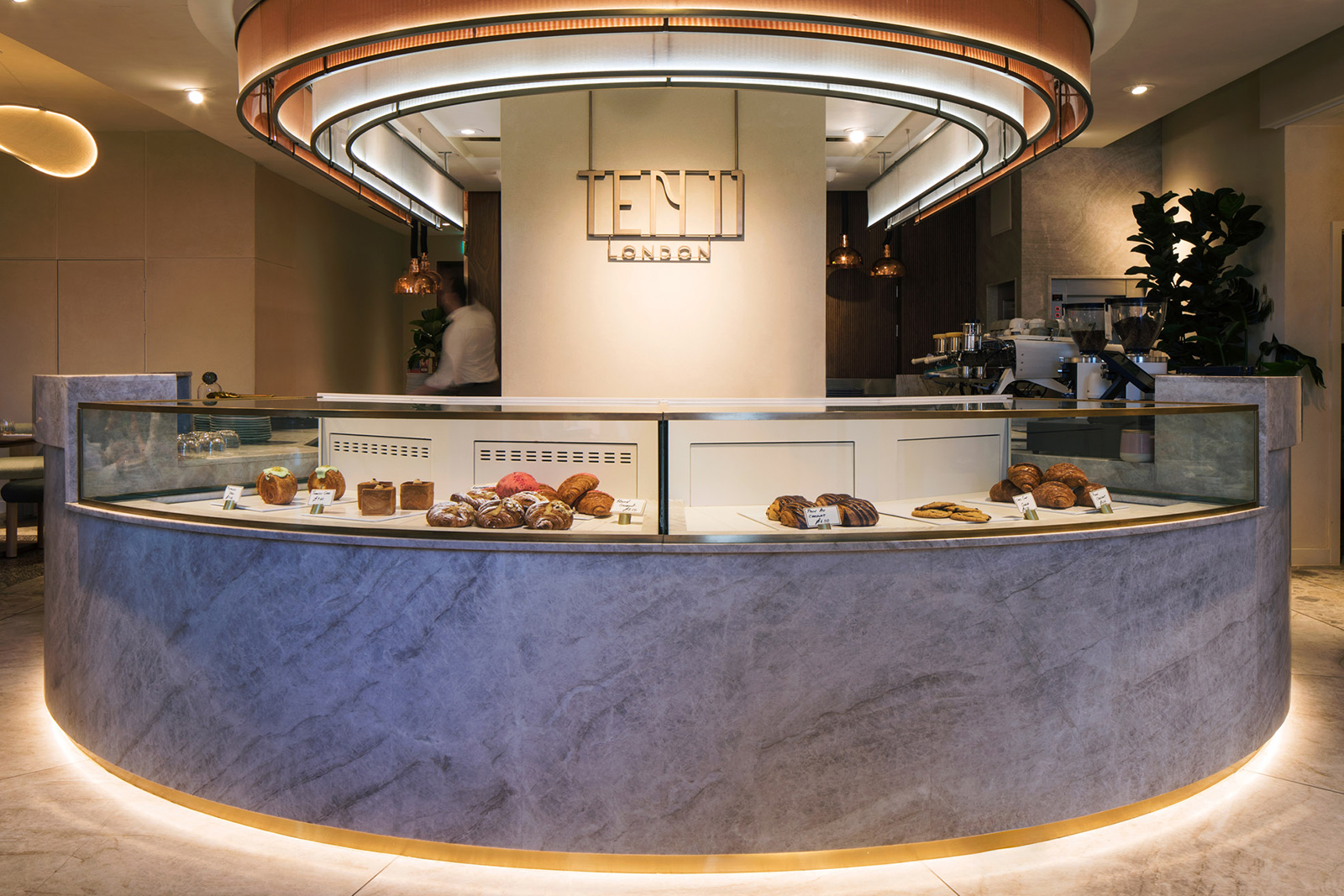
The real design hero is architectural lighting. Those fixtures we barely notice that subtly influence mood, perception and behaviour. The art of architectural lighting design is more important than ever in today’s experience-driven culture, where restaurants and bars are no longer defined by a singular design aesthetic; they are immersive spaces, built around a narrative and designed to attract a guest who wants to be part of the action.
Theatrical Arrival Sequences.
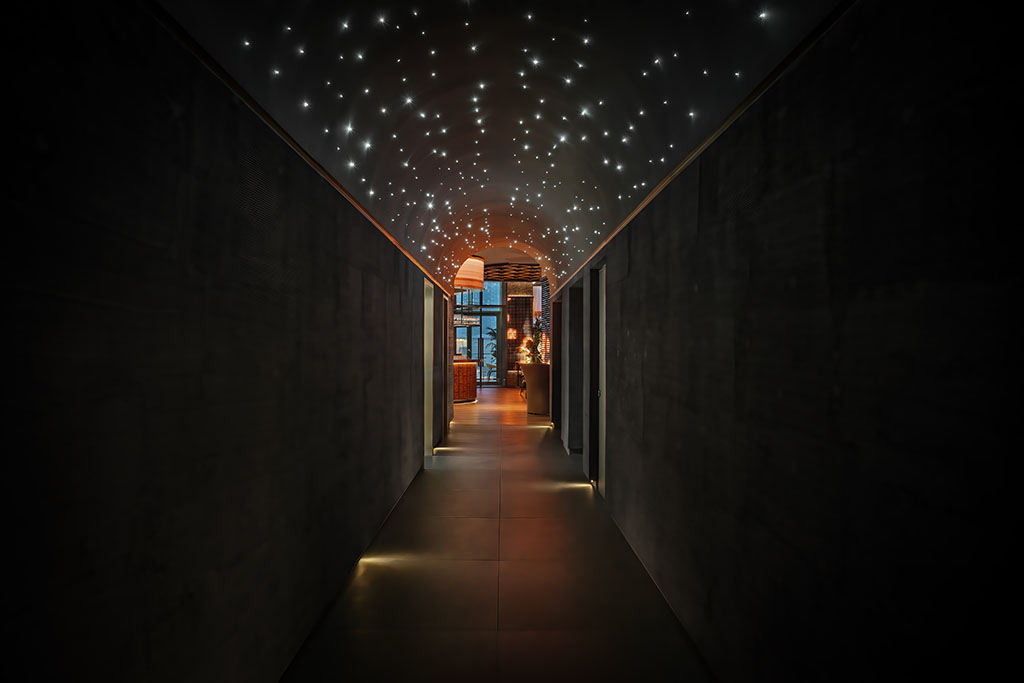
A soft glow of light at the entrance to create intrigue. A graze of light along the walls, designed to pull a person into a space and lead them into the host-led welcome area or aperitivo lounge. These small but significant details help to craft the emotional arc of the journey.
A host of lighting techniques are being used to produce playful wayfinding cues and carefully choreographed transitions that build anticipation, before culminating in the big reveal of the main dining space or bar.
Visual Storytelling.
Guests are drawn to spaces that feel rooted in character and context. This is particularly evident in the restaurant sector, where overly luxurious or minimalist interiors are giving way to more authentic schemes.
By using contrast, tone and layers, lighting designers can enhance the details, textures and focal points that tell the story behind the brand, accentuating a locally sourced material or framing a piece of artwork.
Light can also evoke the spirit of a place. Soft, low-level lighting in a Scandinavian-inspired restaurant can allude to candlelight, while a warmer, richer ambience might reflect the vibrancy of Indian-inspired cuisine.
The Spectacle of the Craft.
In the digital age of algorithmic sameness, diners are seeking out real-life experiences, with access to chefs, sommeliers and artisans. As a result, open-fire cooking, chef’s counters and showpiece wine areas are now key features rather than back-of-house functions.
Lighting helps transform these previously behind-the-scenes elements into dramatic focal points. For immersive culinary environments, a balanced hierarchy of light highlights the chefs at work while maintaining the atmosphere throughout the dining area. Within a specialist wine room, uplighting accentuates the bottle displays and draws people within to appreciate the scale of a prized collection.
Colour rendering and colour temperature are equally important when it comes to culinary performance, as they influence how dishes are perceived. When designers get it right, food appears rich, luscious and irresistible. When they get it wrong, even the most exceptional creation can fall flat.